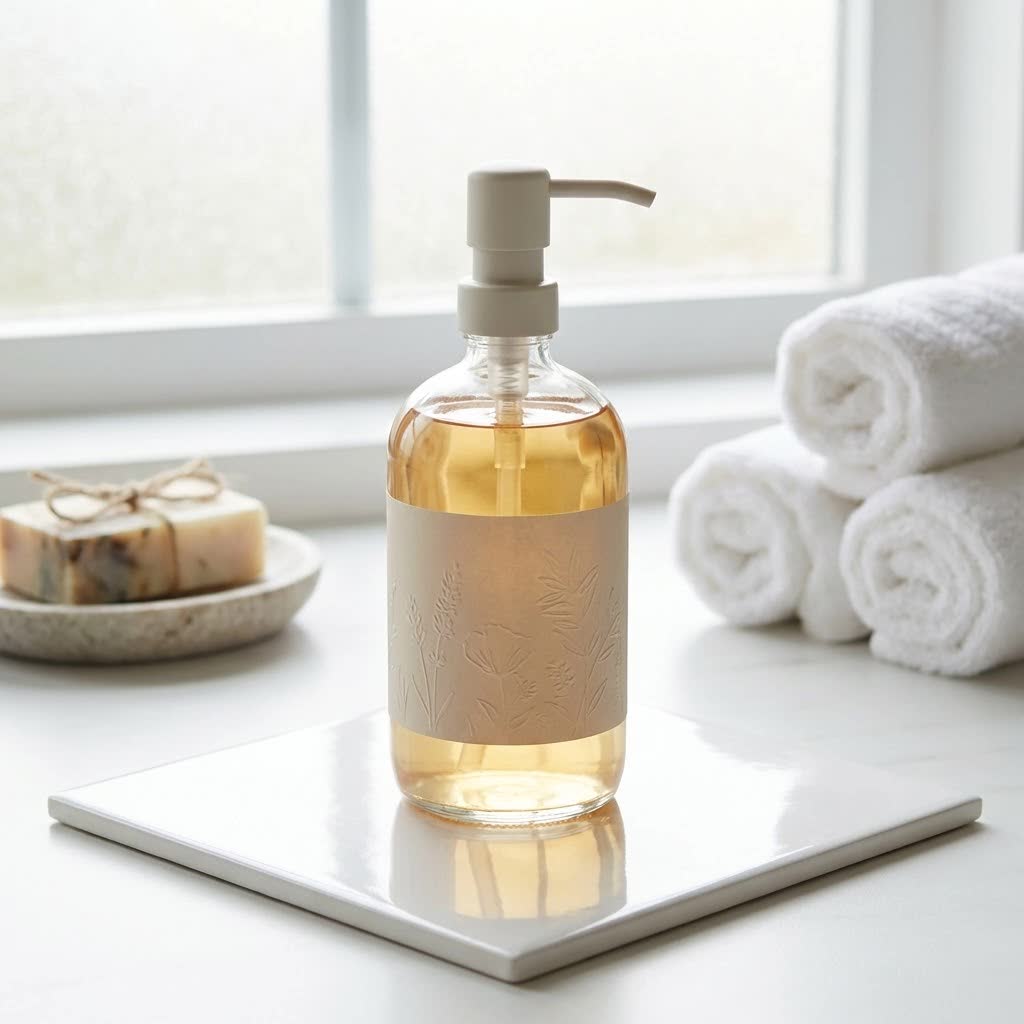
Have you ever washed your hands only to find them feeling dry, irritated, or covered in an overpowering scent that clashes with everything else? You’re not alone. Many people are increasingly seeking simpler, purer personal care products, and Unscented Hand Soap has emerged as a top choice. This guide will delve into why ditching the fragrance can revolutionize your hand care routine, offering a healthier, gentler, and more harmonious clean for everyone.
The Unseen Benefits of Unscented Hand Soap
|
Our Picks for the Best Hand Soap in 2026
We may earn a commission when you use one of our links to make a purchase.
|
||
| Num | Product | Action |
|---|---|---|
| 1 | Dove Advanced Care Hand Wash Peach & Rice Milk 4 Count for Washing Away Dirt & Germs While Nourishing Skin 10 Layers Deep, with Moisture Boost 5X Complex |

|
| 2 | Everyone Liquid Hand Soap, 12.75 Ounce (Pack of 3), Meyer Lemon and Mandarin, Plant-Based Cleanser with Pure Essential Oils |
|
| 3 | Soapbox Hand Soap Variety Pack (Coconut, Lavender, Meyer Lemon) Liquid Hand Soap, Moisturizing Wash with Shea Butter & Aloe Vera, Pack of 3 Bottles with Pump Dispenser, 12oz Each |
|
| 4 | Safeguard Liquid Hand Soap, Micellar Deep Cleansing, Washes Away 99% Bacteria, Made with Natural Moisturizers, Enriched with Skin Conditioners, Coconut & Lavender Scent Twin Pack, 15.5 oz (Pack of 2) |
|
| 5 | Everyone Liquid Hand Soap, 12.75 Ounce (Pack of 3), Lavender and Coconut, Plant-Based Cleanser with Pure Essential Oils |
|
| 6 | Germ-X Antibacterial Hand Soap, 12 Oz (Pack 4), Moisturizing Liquid Hand Wash for Kitchen or Bathroom, pH Balanced & Dermatologist Tested, White Tea & Eucalyptus Scent, Pump Bottle |
|
| 7 | Tree Hut Vanilla Serum Infused Hand Wash, Nourish & Hydrate Hands, Strengthening Skin Care, Long-Lasting Scent, Cleanse & Lock in Moisture, Cermamides, 11 fl oz |
|
| 8 | Safeguard Liquid Hand Soap, Micellar Deep Cleansing, Washes Away 99% Bacteria, Made with Natural Moisturizers, Enriched with Skin Conditioners, PH Balanced, Ocean Breeze Scent 15.5 oz (Pack of 4) |
|
| 9 | Dial Antibacterial Defense Liquid Hand Soap + Aloe, White Tea Scent, 11 Fl Oz (Pack of 4), Dermatologist-Tested Hand Wash, Gentle Formula |
|
| 10 | MRS. MEYER'S CLEAN DAY Liquid Hand Soap, Cruelty Free, Plum Berry Scent, 12.5 oz- Pack of 3 |
|
The choice of unscented hand soap extends far beyond merely lacking a smell; it brings a host of benefits that cater to overall skin health and well-being. By removing artificial scents, these soaps focus on pure cleansing and care.
Gentle on Sensitive Skin: For individuals prone to redness, itching, or conditions like eczema and dermatitis, fragrances are often a primary trigger. Unscented hand soap eliminates this common irritant, providing a soothing alternative that cleanses without causing discomfort. Many dermatologists recommend fragrance-free products to minimize exposure to potential allergens and harsh chemicals, helping to prevent inflammation and irritation.
Protects Your Skin’s Natural Barrier: Our skin possesses a vital protective barrier that locks in moisture, maintains its delicate pH balance, and defends against external aggressors. Fragrances, especially synthetic ones, can disrupt this barrier, leading to increased dryness, imbalance, and heightened sensitivity. Unscented formulations typically feature fewer disruptive ingredients, helping to preserve the skin’s integrity and its natural oils, promoting healthier, more resilient hands.
Ideal for Delicate Skin: The skin of infants, young children, and older adults is often thinner and more delicate, making it particularly vulnerable to harsh chemicals and strong fragrances. Unscented soap is mild, non-irritating, and free of unnecessary additives, making it an excellent and safe choice for these sensitive age groups, minimizing the risk of adverse reactions.
No Competing Scents: A subtle yet significant advantage of unscented hand soap is its neutrality. It allows your personal perfume, cologne, or lotion to shine without any clashing aromas. In shared spaces like kitchens, workplaces, or public restrooms, a strong-smelling soap can be distracting or even uncomfortable for others. Unscented options offer a universally agreeable experience, focusing on cleanliness without sensory interference.
Simpler, Cleaner Formulations: Scented hand soaps often contain a complex cocktail of chemicals—not just for cleaning but also for creating and preserving their aroma. These can include artificial perfumes, alcohols, and various preservatives. Unscented varieties typically boast shorter, more transparent ingredient lists, leaning towards natural or milder cleansers. This simpler approach reduces the chemical load on your skin, making these soaps less likely to cause dryness, even with frequent washing.
Environmental Friendliness: Many unscented hand soaps are designed with the environment in mind. They often come in refillable packaging, concentrates, or even solid bar forms, reducing plastic waste. Additionally, formulations free from synthetic fragrances and harsh chemicals can be more biodegradable, lessening their impact on wastewater systems and the planet.
Decoding “Unscented”: What Does It Truly Mean?
The terms “unscented” and “fragrance-free” are often used interchangeably, but there’s a crucial difference to understand when choosing a product for sensitive skin.
Unscented vs. Fragrance-Free:
- Fragrance-Free means that absolutely no fragrance compounds, synthetic or natural, have been added to the product. This is the gold standard for those with extreme sensitivities.
- Unscented means the product has no noticeable odor, but it might still contain small amounts of masking agents. These are chemicals specifically designed to neutralize or hide any unpleasant natural smells from the base ingredients, so the product appears odorless. While these masking agents don’t contribute a “scent,” they are still chemical additives that could potentially trigger a reaction in highly sensitive individuals.
Always check the ingredient list carefully for terms like “fragrance,” “parfum,” or any other chemical names that might indicate masking agents, even if the front label says “unscented.” For true fragrance avoidance, “fragrance-free” is the clearer indicator.
Types of Unscented Hand Soap
Unscented hand soap is available in various forms, each offering distinct advantages and considerations for your household needs.
Bar Soaps:
- Pros: Often the most eco-friendly option, typically coming in minimal or plastic-free packaging. They tend to have simpler formulations and can be highly effective for thorough cleansing. Many bar soaps are long-lasting and cost-effective.
- Cons: Can be perceived as less hygienic in communal settings if not properly drained. Some users report a residue or feel of dryness with certain bar soap formulations.
Liquid Hand Soaps:
- Pros: Convenient and widely available. They are generally considered more hygienic for multiple users as there’s no direct contact with the soap bar. Many liquid formulas offer moisturizing benefits.
- Cons: Often come in plastic bottles, contributing to waste. While refill options are becoming more common, they still present an environmental challenge compared to bar soaps. Ingredient lists can sometimes be longer.
Foaming Hand Soaps:
- Pros: Creates a luxurious, rich lather with less product, making it efficient and pleasant to use. The pre-foamed consistency can be appealing, especially for children, encouraging better handwashing habits.
- Cons: Requires a special foaming dispenser. While some foaming soaps are concentrates, many are primarily water, meaning you might pay more for volume.
What to Look For: Essential Criteria for Choosing Unscented Hand Soap
Selecting the right unscented hand soap involves more than just checking for “no fragrance.” Understanding key ingredients and formulations will help you make an informed choice for your skin’s health.
Ingredients to Embrace:
- Moisturizing Agents: Look for ingredients like glycerin, ceramides, and hyaluronic acid, which help attract and retain moisture. Natural oils such as coconut oil, shea butter, or jojoba oil also provide excellent hydration.
- Mild Surfactants: These are the cleansing agents. Gentle, plant-derived surfactants like coco-glucoside or decyl glucoside are preferable to harsh alternatives that can strip natural oils.
- Skin-Soothing Components: Ingredients like oat extract or aloe vera can provide additional comfort and reduce irritation, particularly beneficial for sensitive or dry skin.
- Minimal and Transparent Lists: A shorter, clearly understandable ingredient list is often a good sign of a simpler, less irritating formula.
Ingredients to Avoid (The “Dirty Dozen” and More):
- Synthetic Fragrances (“Fragrance,” “Parfum”): These are the most common irritants and can hide hundreds of undisclosed chemicals, including phthalates.
- Parabens: Used as preservatives, parabens can mimic estrogen and have been linked to potential endocrine disruption.
- Phthalates: Often found in synthetic fragrances, these are endocrine disruptors linked to various health concerns, including reproductive issues and developmental problems.
- Triclosan: An antibacterial agent banned by the FDA from most consumer soaps in 2016 due to concerns about antibiotic resistance and hormonal effects.
- Sulfates (Sodium Lauryl Sulfate – SLS / Sodium Laureth Sulfate – SLES): Harsh detergents that create lather but can strip natural oils and cause skin irritation and dryness.
- Formaldehyde and Formaldehyde-Releasing Preservatives: Known irritants and potential carcinogens.
- Propylene Glycol: Can be an irritant for some individuals, especially those with sensitive skin.
- Cocamidopropyl Betaine: A synthetic detergent that can cause skin irritation and allergic reactions in some people.
- Methylisothiazolinone (MCI) and Methylchloroisothiazolinone (MI): Preservatives known to cause contact dermatitis and allergic reactions.
- BHA (Butylatedhydroxyanisole) and BHT (Butylatedhydroxytoluene): Synthetic antioxidants with potential links to cancer and endocrine disruption.
- Ethanolamines (DEA, TEA, MEA): Emulsifiers that can form carcinogenic nitrosamines.
- Synthetic Dyes: Artificial colors often serve no functional purpose and can be additional irritants or allergens.
- Benzalkonium Chloride: Another antibacterial agent that can be irritating.
pH Balance: A soap with a pH close to that of your skin (around 5.5) helps maintain the skin’s acid mantle, which is crucial for its protective function. Look for “pH-balanced” claims if you have particularly reactive skin.
Certifications: While not always necessary, certifications like “EWG Verified” or “USDA Organic” can offer an extra layer of assurance regarding ingredient safety and transparency.
Top Unscented Hand Soaps: A Look at Trusted Choices
When seeking a reliable unscented hand soap, the market offers a variety of products known for their gentle yet effective cleansing. Many consumers prioritize options that cater to specific needs, from hydration to eco-consciousness.
For those with highly sensitive skin or conditions like eczema, brands often recommended by dermatologists typically focus on minimalist formulas. Products featuring ceramides, glycerin, or colloidal oatmeal are frequently lauded for their ability to cleanse without stripping the skin, leaving it feeling calm and moisturized. These options often explicitly state they are “fragrance-free” rather than just “unscented,” providing greater assurance against masking agents.
When it comes to dry hands, look for unscented hand soaps that emphasize rich, creamy textures and contain additional emollients. Ingredients like shea butter, natural plant oils, and hyaluronic acid can provide much-needed hydration, ensuring hands remain soft and supple even after repeated washing. Brands that specialize in natural and organic ingredients often excel in this category.
For the eco-conscious consumer, a growing number of unscented hand soaps offer sustainable packaging solutions. Refill pouches, concentrate tablets that dissolve in water, and large-format refill bottles are excellent ways to reduce plastic waste. Bar soaps are another strong contender for sustainability, often wrapped in recyclable or compostable materials. Some companies also focus on sourcing biodegradable ingredients to minimize environmental impact.
While antibacterial soaps were once popular, the FDA banned triclosan from most consumer soaps in 2016, noting that plain soap and water are just as effective for everyday use and help prevent the spread of germs. If you need an antibacterial option, look for those that achieve germ reduction through safe, alternative active ingredients, and always ensure they are still fragrance-free if sensitivity is a concern.
Ultimately, the “best” unscented hand soap depends on your individual skin type, preferences, and ethical considerations. Examining ingredient lists and understanding the difference between “unscented” and “fragrance-free” will guide you to a product that truly aligns with your needs.
How to Use Unscented Hand Soap Effectively
Using unscented hand soap effectively involves more than just lathering up; proper technique ensures optimal hygiene and skin health.
Proper Handwashing Technique:
- Wet your hands with clean, running water (warm or cold).
- Apply unscented soap to your hands.
- Lather thoroughly by rubbing your hands together for at least 20 seconds. Ensure you scrub the backs of your hands, between your fingers, and under your nails.
- Rinse your hands well under clean, running water.
- Dry your hands using a clean towel or air dryer.
This process, recommended by health organizations, is crucial for removing dirt, germs, and bacteria, regardless of whether your soap is scented or unscented.
Frequency and Impact on Skin: While frequent handwashing is essential for hygiene, it can sometimes lead to dryness, even with gentle soaps. Unscented soaps, particularly those with added moisturizers, help mitigate this. If you wash your hands very often, consider applying a fragrance-free hand cream after drying to replenish moisture.
Storage for Different Types:
- Bar Soaps: Store bar soap on a well-draining soap dish to allow it to dry completely between uses, which prolongs its life and prevents it from becoming mushy.
- Liquid/Foaming Soaps: Keep pump dispensers clean by occasionally wiping down the nozzle to prevent buildup. Consider using refillable bottles to reduce plastic waste.
Where to Purchase Unscented Hand Soap
Finding the right unscented hand soap is easier than ever, with various options available across different shopping channels.
Brick-and-Mortar Stores: You can typically find unscented hand soaps at major supermarkets, drugstores, and health food stores. Retailers like Target, Walmart, and Whole Foods often stock a range of fragrance-free and unscented options from popular brands known for sensitive skin care. Specialty beauty and natural product stores are also excellent places to find niche or high-quality options.
Online Retailers: Amazon, Thrive Market, and the official websites of specific brands (e.g., Seventh Generation, Simple Human, ATTITUDE) offer extensive selections, often with customer reviews that can help guide your choice. Online shopping allows for easy comparison of ingredients, prices, and customer feedback.
Direct from Brands: Many smaller, independent brands specializing in natural or organic products sell directly through their own websites. This can be a great way to discover unique formulations and support businesses committed to transparent, clean ingredients.
Regardless of where you shop, always make it a habit to check the ingredient list thoroughly. Remember the distinction between “unscented” and “fragrance-free” and prioritize products that explicitly avoid common irritants to ensure you’re getting a truly gentle and pure hand soap.
Conclusion
Choosing unscented hand soap is a simple yet impactful decision for your health, comfort, and the environment. By opting for formulas free from synthetic fragrances and harsh chemicals, you protect your skin’s natural barrier, minimize irritation, and enjoy a cleaner, more harmonious personal care routine. The growing availability of gentle, eco-friendly unscented options means there’s a perfect match for every need and preference. It’s time to embrace the purity of an unscented cleanse and let your hands experience the difference. Are you ready to make the switch to a simpler, healthier handwashing experience?
Frequently Asked Questions
Is “unscented” the same as “fragrance-free”?
No, “unscented” means no noticeable odor, but it may contain masking agents to neutralize base ingredient smells. “Fragrance-free” means no fragrance compounds, including masking agents, are added. For true fragrance avoidance, “fragrance-free” is the best choice.
Can unscented soap still have a smell?
Yes, truly unscented or fragrance-free soaps might have a mild, natural aroma from their base ingredients (like plant oils or glycerin). The key is that no artificial or natural fragrance compounds are added to create a specific scent or mask an odor.
Is unscented hand soap better for all skin types?
While particularly beneficial for sensitive, dry, or allergy-prone skin, unscented hand soap is generally a good choice for all skin types. It minimizes exposure to potential irritants, promoting overall skin health and reducing the risk of developing sensitivities over time.
Are natural fragrances (like essential oils) okay for sensitive skin?
Even natural fragrances, such as essential oils, can cause irritation or allergic reactions in sensitive individuals. While often perceived as healthier, they still contain chemical compounds that can be problematic for reactive skin. For sensitive skin, completely fragrance-free is usually recommended.
How can I tell if a hand soap is truly gentle?
Look for products labeled “fragrance-free,” “hypoallergenic,” and “dermatologist-tested.” Check the ingredient list for common irritants like sulfates (SLS/SLES), parabens, phthalates, and artificial dyes. Prioritize ingredients like glycerin, ceramides, and natural, mild cleansers.
Do unscented antibacterial soaps exist?
Yes, some unscented antibacterial soaps are available. However, most everyday handwashing does not require antibacterial soap; regular unscented soap and water are sufficient. If an antibacterial soap is needed, ensure it achieves its efficacy through safe, non-irritating active ingredients and is still clearly labeled as fragrance-free.