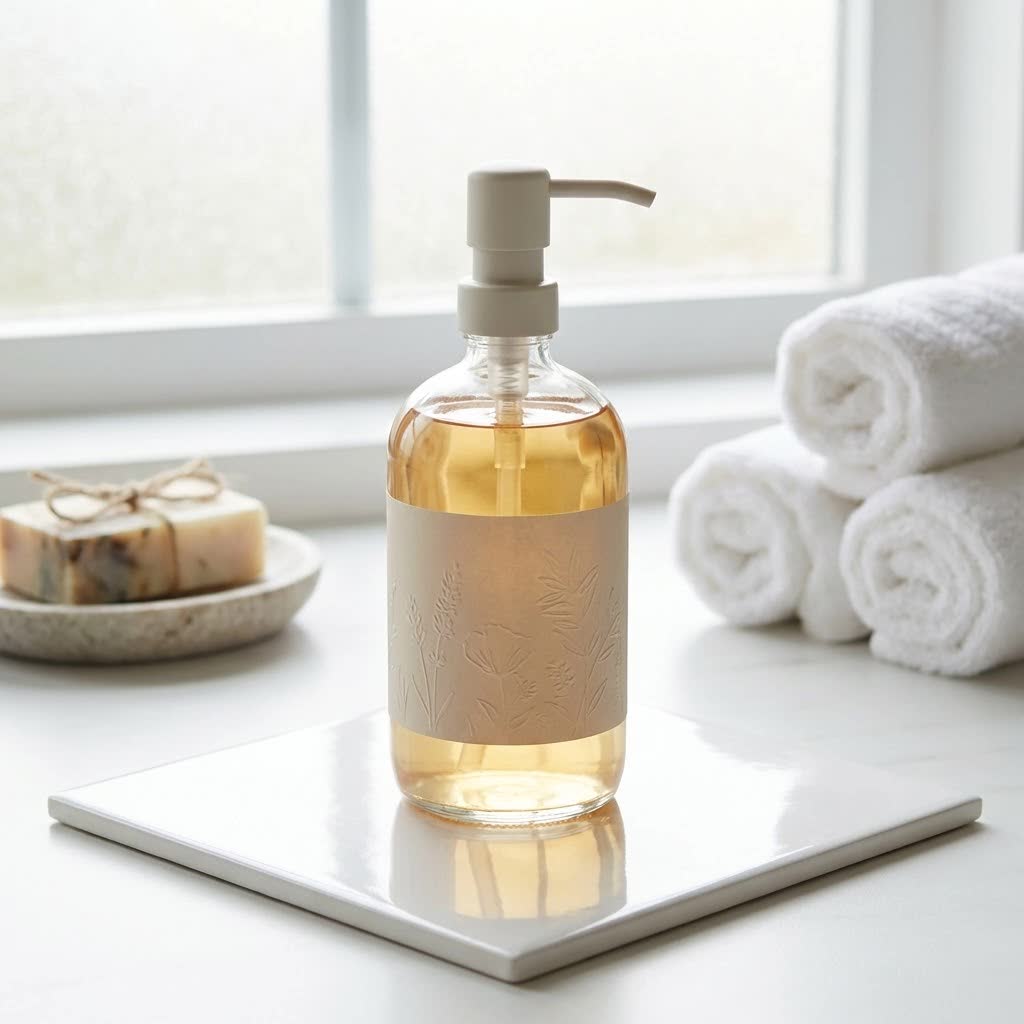
In our daily lives, handwashing is a simple yet crucial act for health, but it often leaves us wondering if our soap is truly doing more good than harm. We seek products that not only cleanse effectively but also care for our skin and the planet. This article delves into Method Hand Soaps, a brand celebrated for its innovative design and eco-conscious approach. We will explore the different types of Method hand soaps, dissect their ingredients, highlight their unique benefits, and address common concerns, helping you navigate their range to find your perfect handwashing companion.

The Diverse World of Method Hand Soaps: Gel vs. Foaming
Method offers two primary types of hand soap: gel and foaming. Each type provides a distinct experience, catering to different preferences and needs. Understanding these differences can help you make an informed choice for your home.
Method Gel Hand Soap
Method’s gel hand soaps provide a traditional lathering experience, often recognized for their rich and creamy texture. Many users appreciate how these soaps cleanse effectively without leaving hands feeling stripped or dry. The gel formulations frequently boast a sophisticated array of scents, which are a signature of the Method brand. SkinSAFE has reviewed Method Gel Hand Soap, 10 fl oz, finding it to be 91% Top Allergen Free and free of common irritants such as fragrance, gluten, nickel, lanolin, parabens, and dyes, indicating a focus on gentle formulations [1, 5 (second set of search results)].
- Pros: Produces a rich, satisfying lather; often leaves hands feeling soft and clean; available in a wide variety of unique and pleasant scents; many formulations are designed to be highly allergen-free.
- Cons: Some individuals might prefer the instant lather provided by foaming soaps, which can feel more convenient.
- Best for: Those who enjoy a traditional, luxurious lather and prioritize specific, often more complex, fragrance profiles for a sensory handwashing experience.
|
Our Picks for the Best Hand Soap in 2026
We may earn a commission when you use one of our links to make a purchase.
|
||
| Num | Product | Action |
|---|---|---|
| 1 | Dove Advanced Care Hand Wash Peach & Rice Milk 4 Count for Washing Away Dirt & Germs While Nourishing Skin 10 Layers Deep, with Moisture Boost 5X Complex |

|
| 2 | Everyone Liquid Hand Soap, 12.75 Ounce (Pack of 3), Meyer Lemon and Mandarin, Plant-Based Cleanser with Pure Essential Oils |
|
| 3 | Tree Hut Vanilla Serum Infused Hand Wash, Nourish & Hydrate Hands, Strengthening Skin Care, Long-Lasting Scent, Cleanse & Lock in Moisture, Cermamides, 11 fl oz |
|
| 4 | Everyone Liquid Hand Soap, 12.75 Ounce (Pack of 3), Lavender and Coconut, Plant-Based Cleanser with Pure Essential Oils |
|
| 5 | Germ-X Antibacterial Hand Soap, 12 Oz (Pack 4), Moisturizing Liquid Hand Wash for Kitchen or Bathroom, pH Balanced & Dermatologist Tested, White Tea & Eucalyptus Scent, Pump Bottle |
|
| 6 | Safeguard Liquid Hand Soap, Micellar Deep Cleansing, Washes Away 99% Bacteria, Made with Natural Moisturizers, Enriched with Skin Conditioners, PH Balanced, Ocean Breeze Scent 15.5 oz (Pack of 4) |
|
| 7 | Safeguard Liquid Hand Soap, Micellar Deep Cleansing, Washes Away 99% Bacteria, Made with Natural Moisturizers, Enriched with Skin Conditioners, Coconut & Lavender Scent Twin Pack, 15.5 oz (Pack of 2) |
|
| 8 | Dial Antibacterial Defense Liquid Hand Soap + Aloe, White Tea Scent, 11 Fl Oz (Pack of 4), Dermatologist-Tested Hand Wash, Gentle Formula |
|
| 9 | Soapbox Hand Soap Variety Pack (Coconut, Lavender, Meyer Lemon) Liquid Hand Soap, Moisturizing Wash with Shea Butter & Aloe Vera, Pack of 3 Bottles with Pump Dispenser, 12oz Each |
|
| 10 | MRS. MEYER'S CLEAN DAY Liquid Hand Soap, Cruelty Free, Plum Berry Scent, 12.5 oz- Pack of 3 |
|
Method Foaming Hand Soap
Method’s foaming hand soaps deliver an instant burst of foamy lather, which many find convenient and enjoyable, especially for children. The foaming action is primarily due to the pump mechanism that infuses air into the diluted liquid soap, rather than unique soap properties [5 (first set of search results)]. These soaps also come with the benefit of environmentally friendly refill pouches, which significantly reduce plastic waste compared to purchasing new bottles.
- Pros: Provides an instant, airy lather; generally easy and fun to use; eco-friendly refill options help reduce plastic consumption; specific fragrance-free versions are available for those with sensitivities [2 (first set of search results)].
- Cons: Because they are essentially diluted liquid soap, some studies suggest foaming hand soaps might be less effective at reducing bacteria if users tend to wash their hands for shorter durations due to the immediate lather [5 (first set of search results)]. Many formulations contain Sodium Lauryl Sulfate (SLS), which can be a concern for very sensitive skin, as it is known to be a potential irritant [4 (first set of search results)].
- Best for: Individuals seeking quick and convenient handwashing, families, and those who appreciate the playful, bubbly experience.
Unpacking the Ingredients: What’s in Your Method Hand Soap?
Method positions itself as a brand committed to cleaner products and environmental responsibility. Understanding the ingredients in their hand soaps is key to making choices that align with your skin’s needs and values.
Key “Free From” Claims
Method products are widely known for what they don’t contain. They are formulated without parabens, phthalates, and triclosan, which are common chemicals often associated with skin irritation and other health concerns [5 (first set of search results), 4 (second set of search results)]. Many Method hand soaps, particularly their gel varieties, are also free of added fragrance (in “Free + Clear” options), gluten, nickel, lanolin, topical antibiotics, soy, propylene glycol, balsam of Peru, oil, and dye [1, 2 (first set of search results), 5 (second set of search results)].
Common Ingredients
A typical Method hand soap ingredient list often includes:
- Water (Aqua): The primary solvent.
- Glycerin: A humectant that helps to attract and retain moisture, leaving hands feeling soft and hydrated [4 (first set of search results)].
- Cocamidopropyl Betaine: A mild surfactant and foam stabilizer, known for its ability to produce rich, creamy lather while being biodegradable [4 (first set of search results)].
- Citric Acid: Used to adjust the product’s pH balance [4 (first set of search results)].
- Aloe Barbadensis (Aloe Vera): Known for its moisturizing, soothing, and anti-inflammatory properties [4 (first set of search results)].
- Tocopheryl Acetate (Vitamin E): An antioxidant that can offer moisturizing benefits [4 (first set of search results)].
Controversial Ingredients & Transparency
Despite Method’s marketing as “naturally derived” and eco-friendly, some ingredients have drawn scrutiny:
- Sodium Lauryl Sulfate (SLS): This cleansing agent is present in many Method foaming and some gel formulas. While highly effective at cleaning and producing copious foam, SLS is also recognized as a potential skin irritant, especially for those with sensitive skin [4 (first set of search results)]. It can lead to dryness, redness, or allergic reactions in some individuals.
- Preservatives (e.g., Methylchloroisothiazolinone, Methylisothiazolinone): These are very effective at preventing microbial growth but have been identified as potential sensitizers, particularly in leave-on products. While hand soap is a rinse-off product, individuals with highly reactive skin might still be sensitive [4 (first set of search results)].
- “Non-toxic” Labeling: Method faced a class-action lawsuit in 2020 concerning its “non-toxic” labeling. Critics argued that despite excluding certain harmful chemicals, the inclusion of synthetic ingredients like SLS could be misleading to consumers seeking truly “non-toxic” options [1 (first set of search results)]. This highlights the importance of consumers reviewing full ingredient lists rather than relying solely on marketing claims.
“While brands strive for ‘clean’ labels, consumers with sensitive skin should always review the full ingredient list, as even naturally derived components or effective surfactants like SLS can sometimes cause irritation.” – Dr. Anya Sharma, Dermatologist
Choosing Your Perfect Method Hand Soap: Key Considerations
Selecting the ideal hand soap involves more than just picking a scent. Consider these factors to find a Method product that best suits your skin, lifestyle, and environmental values.
Skin Type & Sensitivity
For those with sensitive or reactive skin, fragrance is often a common trigger for irritation. Method offers “Free + Clear” options that are fragrance-free, making them a safer bet [2 (first set of search results)]. Gel soaps might feel less drying for some users compared to foaming varieties due to differing concentrations or formulations. Always look for hydrating ingredients like glycerin and aloe vera, which help replenish moisture lost during washing. If you have extremely sensitive skin, a patch test on a small area of skin before regular use is always recommended.
Scent Preference
Method is renowned for its unique and nature-inspired fragrances. Their scents often combine botanical notes with fresh, clean undertones, moving beyond typical fruit or floral aromas. Popular options include:
- Sweet Water: A light, dewy blend of grapefruit, lemon leaves, star jasmine, and lily of the valley [3, 5 (first set of search results)].
- Sea Minerals: A crisp, marine scent with notes of bergamot, lemon, and rosemary [3 (first set of search results)].
- Vetiver + Amber: A sophisticated, earthy fragrance that some enthusiasts consider a more affordable “dupe” for the high-end Le Labo Santal 33 perfume [3 (second set of search results)].
- Pink Grapefruit: A bright, invigorating citrus scent.
- Lavender: A classic, calming aroma.
If you are sensitive to strong smells, options like “Sweet Water” are often praised for their subtle yet refreshing character [4 (second set of search results)].
Environmental Impact
Method demonstrates a commitment to sustainability, which is a significant factor for many conscientious consumers. Their bottles are typically made from 100% post-consumer recycled (PCR) plastic [3 (first set of search results), 5 (first set of search results), 4 (second set of search results)]. They also offer large refill pouches, which use substantially less plastic compared to purchasing new bottles, making them a more eco-friendly and economical choice [3 (first set of search results)]. Furthermore, Method’s formulas are biodegradable and cruelty-free, aligning with ethical consumption values [3 (first set of search results), 5 (first set of search results), 4 (second set of search results)].
Foaming vs. Gel
The choice between foaming and gel comes down to personal preference for lather consistency and convenience. Foaming soaps provide an instant, airy lather, while gel soaps offer a richer, more traditional lather that many find deeply satisfying. Consider what type of experience you and your household prefer for daily handwashing.
Top Method Hand Soaps for Every Need
While personal preference plays a huge role, some Method hand soap varieties consistently receive high praise:
- Method Foaming Hand Wash, Sweet Water: A widely beloved choice for its light, refreshing, and universally appealing scent, often noted for its gentle feel on hands [5 (first set of search results), 2 (second set of search results)].
- Method Gel Hand Soap, Vetiver + Amber: Ideal for those seeking a luxurious and sophisticated fragrance experience with a rich, soft lather that cleanses without drying [3 (second set of search results), 4 (second set of search results)].
- Method Foaming Hand Wash, Free + Clear: The go-to option for individuals with sensitive or reactive skin, as it is fragrance-free and designed to minimize potential irritants [2 (first set of search results), 4 (first set of search results)].
- Method Foaming Hand Wash, Sea Minerals: Praised for its crisp, invigorating marine scent, offering an uplifting handwashing experience [3 (first set of search results), 2 (second set of search results)].
Best Practices for Handwashing with Method Soap
To maximize the effectiveness of any hand soap, including Method, and to maintain skin health, proper handwashing technique is crucial.
- Wet your hands with clean, running water.
- Apply a sufficient amount of Method hand soap to your palms.
- Lather thoroughly for at least 20 seconds. Ensure you scrub all surfaces of your hands, including between your fingers, the backs of your hands, and under your nails.
- Rinse your hands thoroughly under clean, running water, making sure all soap residue is removed.
- Dry your hands with a clean towel or an air dryer.
- Moisturize: For optimal hand health, especially if you have dry or sensitive skin, apply a hydrating hand cream immediately after washing to replenish moisture.
Where to Purchase Method Hand Soaps
Method hand soaps are widely accessible, making them a convenient choice for most consumers. You can typically find them at:
- Major retailers: Large grocery stores, supermarkets, and big-box stores like Target [2 (second set of search results)].
- Online stores: Platforms such as Amazon and Method’s official website offer their full range of products and often provide options for bulk purchases and refills.
When purchasing, consider opting for Method’s large refill pouches. These are not only more economical but also contribute to a significant reduction in plastic waste, aligning with Method’s environmental ethos.
Conclusion
Method hand soaps offer a compelling combination of effective cleaning, diverse and appealing fragrances, and a strong commitment to environmental responsibility. Whether you prefer the rich lather of a gel soap or the airy foam of a foaming wash, Method provides options designed with both your skin and the planet in mind. While it’s always wise to be mindful of individual ingredient sensitivities, particularly for those with reactive skin, Method’s dedication to excluding many common harsh chemicals is a testament to its forward-thinking approach. By choosing Method, you’re not just cleaning your hands; you’re making a conscious decision for a more pleasant and sustainable handwashing routine.
What’s your favorite way to keep your hands clean and healthy?
Frequently Asked Questions
Is Method hand soap truly “natural”?
Method states their products are “naturally derived” and free from parabens, phthalates, and triclosan. However, some formulations contain synthetic ingredients like Sodium Lauryl Sulfate (SLS) and certain preservatives, which have led to questions about their “non-toxic” claims. It’s important to review specific ingredient lists for a complete understanding [1 (first set of search results)].
Can Method hand soap cause skin irritation?
While many users find Method hand soaps gentle, some individuals, especially those with very sensitive skin, have reported irritation, dryness, or rashes [4 (first set of search results)]. This can sometimes be attributed to ingredients like SLS or fragrances, even those derived from nature. If you have sensitive skin, consider their “Free + Clear” options and always patch test new products.
Are Method hand soap bottles recyclable?
Yes, Method hand soap bottles are typically made from 100% recycled plastic (PCR) and are designed to be recyclable (minus the pump) [3 (first set of search results), 4 (second set of search results)]. They also offer refill pouches to further reduce plastic consumption.
Is foaming hand soap less effective than gel hand soap?
Some studies suggest that foaming hand soap might be less effective at reducing bacteria, potentially because the instant lather leads people to wash for shorter durations [5 (first set of search results)]. However, proper handwashing technique for at least 20 seconds is key, regardless of the soap type. The foaming action itself is due to the pump, not a difference in cleaning power.
What are Method’s most popular hand soap scents?
Popular Method hand soap scents include Sweet Water (grapefruit, lemon leaves, star jasmine), Sea Minerals (bergamot, lemon, rosemary), Vetiver + Amber (often compared to Le Labo Santal 33), and Pink Grapefruit [2, 3 (second set of search results), 5 (first set of search results)]. The brand is known for its unique, nature-inspired fragrances.